

Table of Contents
If you’re thinking about buying a home or refinancing, you’re probably wondering: What determines my mortgage interest rate?
The short answer is that there isn’t just one factor. Your mortgage rate reflects details about you and your loan, along with broader economic and financial market conditions.
Some of those factors may be within your control, while others are not. At RWM Home Loans, we’ll help you understand what can affect your rate, so you can make informed decisions with greater confidence.
What You Can Control
You can’t control the financial markets, but you may have some influence over several parts of your mortgage. Here are a few of the factors we review when helping you explore your options.
Your Credit Profile
Your credit history is one part of the picture when we review your mortgage options and pricing.
A stronger credit profile may help you qualify for more favorable terms, but your credit score is not the only factor we consider. Your loan program and overall financial profile also help shape the options available to you.
And if your credit isn’t perfect, don’t count yourself out. Homeownership may still be within reach, and your RWM loan officer can help you understand your next steps.

Your Down Payment
Your down payment helps determine your loan-to-value ratio, or LTV. This compares the amount you borrow with the home’s value.
A larger down payment generally creates a lower LTV, which may affect mortgage pricing and mortgage insurance requirements. That said, you may not need to put 20% down. Depending on your eligibility and loan program, lower down payment options may be available.
Your Loan Program
The mortgage program you choose can make a difference, too.
Conventional, FHA, VA, jumbo, and other mortgage programs each have their own qualification requirements, down payment options, and pricing considerations.
We’ll help you compare programs based on your finances, the property, how you plan to use the home, and your longer-term goals.
Property Type

The property you choose may also affect your financing and pricing. Condos, townhomes, homes in planned communities, and properties with homeowners associations, or HOAs, can all be great options for the right buyer. For some loan programs, RWM may need to review details about the property or community, such as insurance coverage, occupancy, or the HOA’s financial information. This routine review helps confirm that the home meets the requirements of your selected loan program. How you plan to use the property matters as well, since primary residences, second homes, and investment properties may have different financing requirements and pricing considerations.
Your Loan Term and Rate Structure
Loan terms and rate structures work differently. For example, a 15-year fixed-rate mortgage is structured differently from a 30-year fixed-rate mortgage. An adjustable-rate mortgage, or ARM, generally starts with a fixed-rate period before the rate becomes eligible to adjust under the terms of the loan.
The lowest rate isn’t automatically the best fit. It’s important to look at the full picture, including the monthly payment, loan term, upfront costs, and your longer-term financial goals.
Discount Points
You may be able to pay discount points upfront in exchange for a lower mortgage interest rate.
One discount point equals 1% of the loan amount, but there is no universal rule for how much one point will lower your rate. The actual change depends on the loan and current market pricing.
Your RWM loan officer can help you compare the upfront cost with the potential monthly savings so you can decide whether paying points makes sense for you.
What You Can’t Control
Some of the biggest influences on mortgage rates come from outside your personal financial picture. You don’t need to follow every market update, but understanding the basics can make rate changes feel a little less mysterious.
Federal Reserve
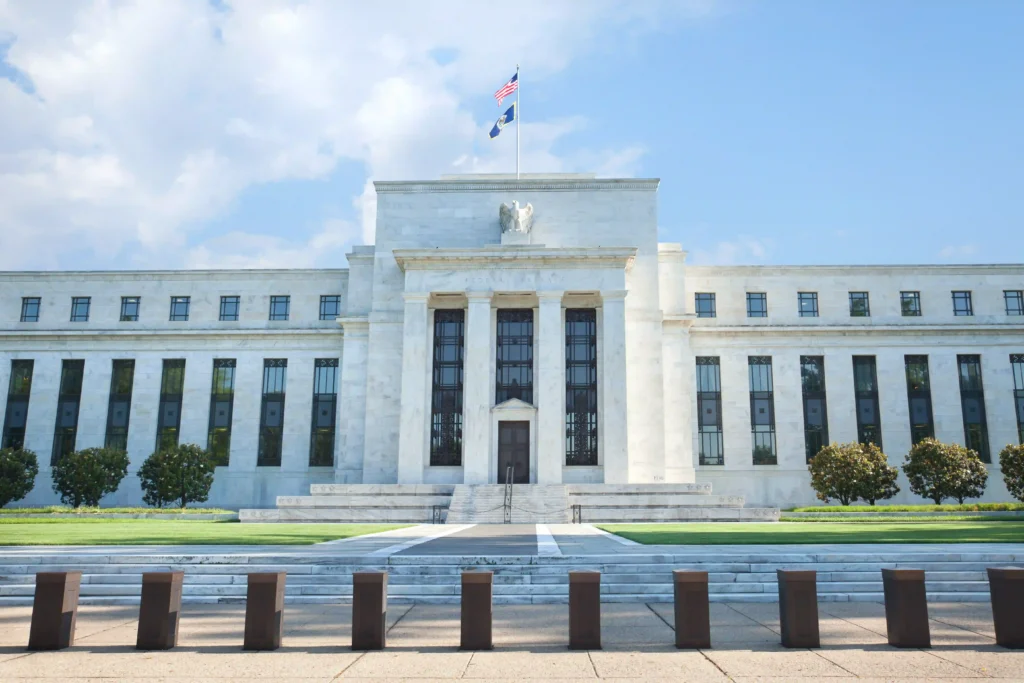
The Federal Reserve, often called the Fed, works to support a stable economy. It influences short-term borrowing costs by adjusting the target range for the federal funds rate and using other monetary policy tools. Those decisions can affect financial markets, but the connection to mortgage rates is not always immediate or one-to-one.
It’s important to remember that the Federal Reserve does not directly set mortgage rates.
The federal funds rate applies to very short-term lending, while a 30-year mortgage is a long-term loan. That’s why mortgage rates may not move by the same amount, or at the same time, when the Fed changes its target rate.
Economy and Stocks
The broader economy also plays a role in mortgage rate movement. Inflation, employment, economic growth, consumer activity, and government policy can shape what investors expect interest rates to do next. Those expectations can affect the bond market and, in turn, mortgage pricing.
The stock market can offer a glimpse into how investors view the economy, but stocks do not directly determine mortgage rates. The bond and mortgage-backed securities markets have a more direct connection to mortgage pricing, and the 10-year U.S. Treasury is commonly used as a benchmark when discussing longer-term rate trends.
Inflation is one factor to watch. When inflation rises, mortgage rates often face upward pressure, although rates can move differently depending on other market conditions.
Mortgage-Backed Securities and the Secondary Mortgage Market
After a mortgage closes, it may be sold through the secondary mortgage market. There, mortgages may be purchased and grouped into investments called mortgage-backed securities, or MBS. Organizations such as Fannie Mae purchase eligible mortgages and package them into securities that are sold to investors.
This process helps keep funds moving through the mortgage system. Rather than holding every mortgage for the full life of the loan, financial institutions may sell eligible loans and use those funds to support additional lending.
Mortgage-backed securities are part of the broader bond market, which is closely connected to mortgage rates. Investor expectations about inflation, economic growth, and future interest rates can affect bond yields and MBS pricing. As those markets change, the mortgage rates available to borrowers may change, too.
You Don’t Have to Navigate Mortgage Rates Alone

There are a lot of moving pieces behind mortgage rates. The good news is that you don’t have to track every economic report, Fed announcement, or change in the bond market on your own.
That’s where your RWM Home Loans loan officer can help. We’ll look at the factors you may be able to influence and explain the market conditions you can’t control. Your loan officer can walk you through available programs, compare scenarios, show how your down payment or loan structure may affect your financing, and help put changing rates into perspective.
We’ll also help you look beyond the interest rate itself. Your monthly payment, closing costs, loan term, upfront expenses, and long-term goals all matter when choosing a mortgage that fits your needs.
At RWM Home Loans, our goal is to make the mortgage process easier to understand. You don’t need to predict where rates will go or become an expert on the financial markets. Your loan officer will answer your questions, explain your options, and help you make an informed decision with confidence.
Update 11/20/26